When Trump's Doctors Speak: Navigating Professional Ethics and Public Scrutiny
The health of any sitting or prospective US President is, by nature, a matter of intense public interest. Beyond mere curiosity, it touches upon national security, governance, and the very stability of leadership. Consequently, when a president's physician makes a public statement, it's not just a medical update; it's a political event. The cases of Donald Trump's doctors, both past and present, offer compelling insights into the ethical tightrope walk inherent in such a role, often blurring the lines between medical professionalism, patient advocacy, and political messaging. The manner in which Trump's doctors speak out has frequently prompted discussions about appropriate medical conduct in the public eye.
Recent Revelations: Dr. Barbabella and the "Preventive Treatment"
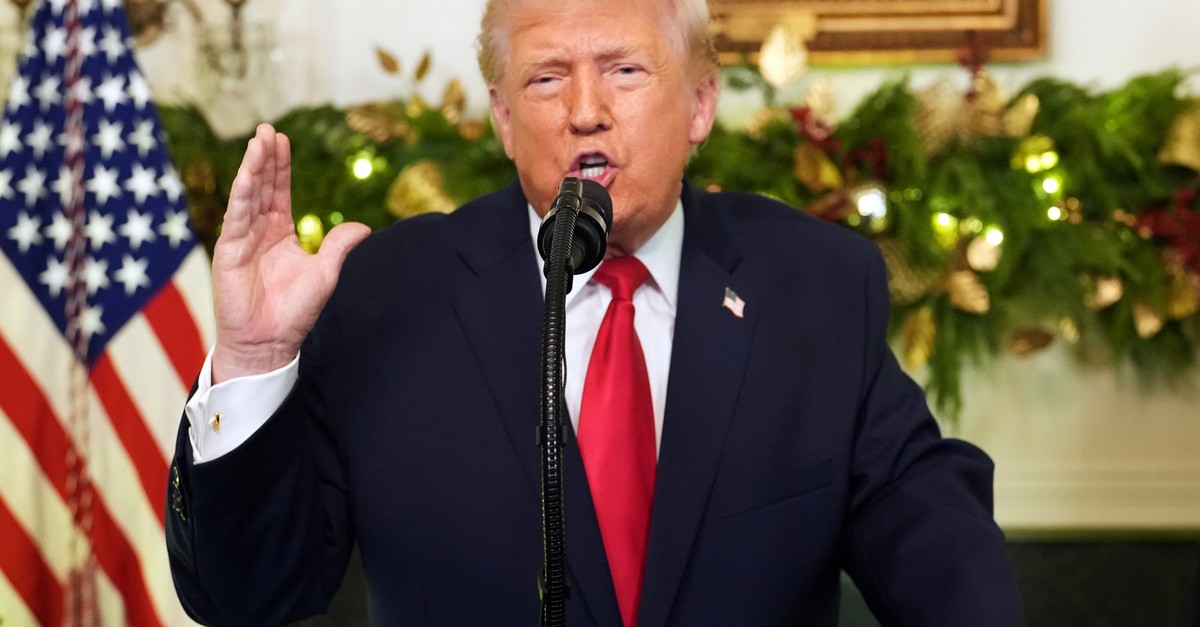
In a recent instance that caught public attention, visible red marks on Donald Trump's neck during a public appearance sparked immediate speculation. These types of visual cues, no matter how minor, often become fodder for media scrutiny when attached to a prominent figure like a former President. It wasn't long before Dr. Sean Barbabella, identified as Trump's physician, offered an explanation. He clarified that the noticeable redness was a reaction to a "preventive skin treatment."
This particular episode, while seemingly benign, highlights several key aspects of a presidential physician's role. Firstly, the swiftness with which an explanation was provided indicates an understanding of the intense public and media scrutiny surrounding Trump's health. Secondly, the nature of the explanation – a "preventive treatment" – frames the concern in a proactive, rather than reactive, light, subtly conveying vigilance over the former president's well-being. From an ethical standpoint, Dr. Barbabella's statement was specific, limited to a visible condition, and offered a medical rationale without delving into private health details. It represents a relatively contained and professionally managed disclosure, aimed at quelling speculation with a factual, albeit brief, medical explanation. This contrasts sharply with previous episodes involving Trump's doctor speaking out.
Harold Bornstein: A Case Study in Unprofessional Conduct
Perhaps the most controversial figure among Trump's doctors is Harold Bornstein, his personal physician for decades until 2017. Dr. Bornstein's public statements and the infamous health letter he penned in December 2015 during Trump's presidential campaign became a lightning rod for criticism and a significant case study in medical ethics. The letter, which declared Trump's health to be "astonishingly excellent" and that he would be "the healthiest individual ever elected to the presidency," immediately raised eyebrows.
Several aspects of Bornstein's conduct were widely decried as unprofessional and unethical:
- Overly Effusive and Unprofessional Language: The hyperbolic praise for Trump's health went far beyond standard medical reporting. Such language is uncharacteristic of objective medical assessments and suggests a bias or influence not typically associated with a doctor's professional duty.
- Grammatical Errors and Implied Haste: The letter contained a glaring grammatical error ("to whom it my concern" instead of "to whom it may concern"). Dr. Bornstein later admitted he wrote the letter in a rush, a detail that further undermined its credibility and suggested a lack of due diligence for such a critical document.
- Misrepresentation of Affiliation: The letterhead claimed an affiliation with Lenox Hill Hospital, which the hospital itself denied, stating Bornstein neither worked there nor had privileges. This misrepresentation raised serious questions about his professional integrity.
- Exceeding Specialty Boundaries: As a gastroenterologist, Bornstein was professionally qualified to comment on Trump's digestive health. However, his letter offered a comprehensive assessment of Trump's overall physical and even psychological fitness for the presidency, venturing far beyond his area of expertise. Medical professionals widely condemned this, noting that such a broad endorsement from a specialist was inappropriate and misleading.
- History of Malpractice Suits: Further scrutiny revealed that Bornstein had faced multiple malpractice suits, adding another layer of concern regarding his professional history.
The collective opinion from the broader medical community regarding Bornstein's actions was damning. As one doctor quoted in the reference context put it, "It is unprofessional, unethical and it violates common sense." This episode vividly illustrates the ethical pitfalls when a physician's role is perceived as compromised by political allegiance or a desire to serve a high-profile patient's public image rather than solely their health. It set a precedent for how Trump's former doctor speaking out could lead to significant ethical concerns.
Public Health Ethics and the Presidential Physician's Dilemma
The cases of Trump's doctors underscore a broader ethical challenge faced by physicians to heads of state or prominent political figures. The public has a legitimate interest in the health of those who lead them, particularly given the immense demands of the office. However, this public interest must be balanced against a patient's right to privacy and a doctor's professional obligation to confidentiality. Here's a deeper look:
- Transparency vs. Privacy: How much information is truly necessary for the public to gauge a leader's fitness, and at what point does it become an invasion of privacy? Striking this balance requires careful consideration and clear ethical guidelines.
- The Pressure Cooker: Physicians to public figures operate under immense pressure. They may feel compelled to present their patient in the best possible light, especially during political campaigns. This pressure can inadvertently lead to overstatements or a lack of complete candor, as seen with Bornstein.
- Independent Review: Some medical ethicists advocate for a system where presidential health reports are reviewed by an independent panel of physicians to ensure objectivity and adherence to ethical standards, rather than relying solely on a personal physician's statement. This could provide an essential check against the kind of unprofessionalism witnessed in the Bornstein affair.
- The Weaponization of Health: As the 2016 election showed, health can become a political weapon, with opponents questioning a candidate's fitness. This dynamic further complicates a physician's role, as their statements can be manipulated for political gain. It makes the integrity of Trump's doctors speaking out even more critical.
Lessons for Medical Professionals and the Public
The experiences with Trump's physicians offer valuable lessons for both medical professionals and the discerning public:
- For Physicians: Uphold Professionalism Above All Else: Regardless of the patient's status, ethical guidelines, confidentiality, and professional integrity must remain paramount. Physicians should avoid hyperbole, stick to their area of expertise, and ensure all public statements are factual and measured. If pressured, seeking counsel from ethics committees or professional organizations can provide support.
- For the Public: Critical Assessment is Key: When Trump's doctor speaks out, or any high-profile physician, approach their statements with a critical eye.
- Consider the Source: Is it the personal physician or an independent medical body?
- Look for Specifics: Vague or overly enthusiastic statements should raise flags.
- Check for Consistency: Do statements align with known facts or previous reports?
- Be Aware of Bias: Recognize that political contexts can influence how medical information is presented.
- For the Political System: Establish Clear Protocols: There is a need for clearer, standardized protocols for reporting the health of presidential candidates and sitting presidents. This could include requirements for more comprehensive, independently verified medical records, ensuring that the public receives accurate and ethically sound information.
Conclusion
The actions of Donald Trump's doctors, from the relatively straightforward explanation of Dr. Barbabella to the deeply controversial conduct of Dr. Bornstein, highlight the multifaceted challenges inherent in providing medical care and making public statements for high-profile political figures. These incidents serve as powerful reminders of the profound ethical responsibilities placed upon physicians, the intense public scrutiny they face, and the critical importance of maintaining professional integrity above all else. For a healthy democracy, the transparency and ethical conduct surrounding presidential health are not merely medical matters, but fundamental components of public trust and informed decision-making.